










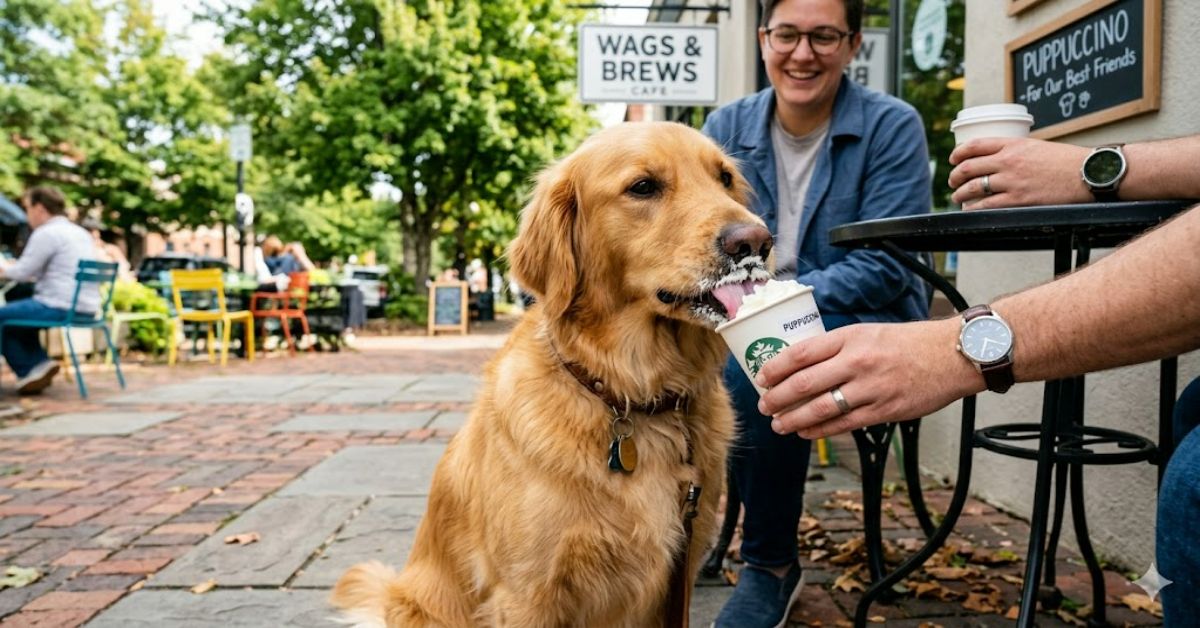
A puppuccino has become one of the most recognisable dog treats offered at coffee shops around the world. Often referred to as a “pup cup”, it consists of a small espresso-sized cup filled with plain whipped cream and served exclusively for dogs. Despite its association with cafés, the treat contains no coffee, tea, espresso, or caffeine, making it fundamentally different from beverages intended for humans.
The popularity of dog-friendly experiences has grown significantly over the past decade. Pet owners increasingly include their dogs in everyday activities, from outdoor dining to road trips and coffee runs. As a result, cafés and retailers have expanded their pet-focused offerings, and the humble cup of whipped cream has become a symbol of this trend.
Yet popularity does not automatically mean suitability. Many owners wonder whether whipped cream is genuinely safe for dogs, whether puppies can have it, and how frequently it should be offered. Veterinary professionals generally agree that small amounts are unlikely to harm healthy dogs, but there are important exceptions involving lactose intolerance, obesity, diabetes, and digestive sensitivity.
This guide examines what a puppuccino actually contains, why dogs enjoy it so much, the health implications, and whether it deserves a place in your pet’s routine.
What Is a Puppuccino?
A puppuccino is a small serving of whipped cream designed specifically for dogs.
The treat became widely known through coffee-shop culture, particularly after major café chains began offering complimentary whipped cream cups to customers visiting with their pets. Although recipes vary slightly between locations, the standard version consists solely of whipped cream without flavourings, chocolate, coffee, or sweet syrups.
Typical Ingredients
| Ingredient | Purpose | Dog Safety |
| Whipped cream | Main component | Generally safe in moderation |
| Milk fat | Creates texture | Safe for most dogs |
| Dairy solids | Adds richness | May cause issues in sensitive dogs |
| Sugar (small amounts) | Improves taste | Best consumed sparingly |
Because ingredients vary by brand and location, owners should always confirm what is included before offering one to their dog.
Why Do Dogs Love Puppuccinos?
Dogs are naturally attracted to foods containing fat and dairy.
The whipped cream used in a pup cup offers several sensory rewards:
- Rich aroma
- Smooth texture
- Sweet flavour
- High fat content
- Novel experience
Behaviourists note that many dogs become excited not only because of the food itself but because the treat is associated with positive social experiences such as car rides, outdoor adventures, and spending time with their owners.
In many cases, the emotional value of the experience exceeds the nutritional value of the treat.
Nutritional Breakdown
Although a puppuccino appears harmless, it is still considered a discretionary treat.
Approximate Nutritional Values
| Nutrient | Small Serving (30g) |
| Calories | 50–70 kcal |
| Fat | 5–6g |
| Carbohydrates | 2–3g |
| Protein | Less than 1g |
| Sugar | 1–2g |
For a small dog weighing 5–10kg, a single serving may represent a noticeable percentage of its daily calorie allowance.
This is one reason veterinarians often recommend limiting high-fat treats to less than 10% of daily caloric intake.
Is a Puppuccino Safe for Dogs?
For most healthy adult dogs, the answer is yes.
A small serving of plain whipped cream is not toxic and does not contain ingredients that pose immediate danger. Unlike chocolate-based products or caffeinated beverages, traditional pup cups avoid substances known to be harmful to dogs.
However, safety depends heavily on the individual animal.
Dogs That Can Usually Enjoy One
- Healthy adult dogs
- Active dogs with balanced diets
- Dogs without dairy sensitivities
- Dogs with healthy digestive systems
Dogs That Should Avoid Them
- Dogs with lactose intolerance
- Obese dogs
- Dogs with pancreatitis history
- Diabetic dogs
- Dogs on restricted veterinary diets
If a dog has a medical condition, veterinary advice should always take precedence over general recommendations.
Hidden Risks Many Owners Overlook
Most online discussions focus on whether whipped cream is toxic. That question misses several practical concerns.
1. Digestive Upset
Many dogs lose the ability to digest lactose efficiently as they age.
Even a small serving can lead to:
- Gas
- Diarrhoea
- Bloating
- Stomach discomfort
2. Excess Calories
A weekly treat may seem insignificant, but frequent café visits can add substantial calories over time.
For toy breeds, repeated high-calorie treats can contribute to weight gain surprisingly quickly.
3. Pancreatitis Risk
Dogs prone to pancreatitis should avoid fatty treats altogether.
High-fat foods are a recognised trigger for flare-ups, which can require emergency veterinary care.
Original Insight
One commonly overlooked issue is behavioural conditioning. Some dogs begin expecting food every time they visit a café or drive-through. This can reinforce demanding behaviour and increase food-seeking habits beyond the occasional treat itself.
Puppuccino vs Other Popular Dog Treats
Not all treats carry the same nutritional profile.
| Treat | Calories | Health Value | Frequency |
| Puppuccino | Moderate | Low nutritional value | Occasional |
| Carrot sticks | Very low | High fibre | Frequent |
| Blueberries | Low | Antioxidants | Frequent |
| Apple slices | Low | Vitamins and fibre | Moderate |
| Commercial dog biscuits | Varies | Balanced options available | Regular |
This comparison highlights an important reality: whipped cream is best viewed as a celebration treat rather than a health food.
The Rise of Dog-Friendly Consumer Culture
The popularity of the puppuccino reflects a broader shift in pet ownership.
Over the past decade, spending on pet experiences has increased substantially across North America and Europe. Dogs are increasingly treated as family members rather than household animals.
This trend has produced:
- Dog-friendly cafés
- Pet-focused menus
- Dog bakeries
- Luxury pet hotels
- Pet travel services
The pup cup sits at the intersection of convenience, marketing, and emotional bonding.
Original Insight
The success of dog-friendly menu items demonstrates that pet-related purchases are often driven more by owner satisfaction than canine nutritional benefit. The product functions as an emotional experience first and a food item second.
Homemade Puppuccino Alternatives
Owners seeking healthier options can easily create alternatives at home.
Option 1: Greek Yoghurt Cup
Benefits:
- Higher protein
- Lower fat
- Probiotic support
Option 2: Pumpkin Purée Treat
Benefits:
- Digestive support
- High fibre
- Low calories
Option 3: Frozen Banana Whip
Benefits:
- Natural sweetness
- Potassium source
- Cooling summer snack
Option 4: Dog-Safe Coconut Cream
Benefits:
- Dairy-free option
- Suitable for some lactose-sensitive dogs
Always introduce new foods gradually and monitor for digestive reactions.
Real-World Examples
Veterinary clinics frequently report mild digestive upset after dogs consume rich human foods, including whipped cream.
Conversely, many healthy dogs enjoy occasional pup cups without experiencing any issues.
Documented guidance from veterinary organisations consistently emphasises moderation rather than outright prohibition. The consensus is that the treat itself is rarely dangerous, but cumulative dietary habits matter.
Original Insight
The real risk is often frequency rather than quantity. A dog receiving a small whipped cream cup once every few months is unlikely to experience problems. A dog receiving one several times per week may gradually develop weight-management issues even without obvious symptoms.
The Future of Puppuccino in 2027
By 2027, pet-friendly food experiences are expected to become more specialised.
Several trends are already emerging:
- Dairy-free dog treats
- Functional pet snacks
- Veterinary-formulated café products
- Reduced-calorie alternatives
- Premium pet hospitality services
As consumer awareness grows, businesses may move beyond simple whipped cream and offer treats designed specifically around canine nutrition.
However, cost remains a limiting factor. Whipped cream remains popular because it is inexpensive, easy to serve, and widely available.
Future innovation is likely to focus on balancing convenience with better nutritional outcomes.
Key Takeaways
- A puppuccino is typically a small cup of plain whipped cream without caffeine.
- Healthy dogs can usually enjoy one occasionally.
- Lactose intolerance remains the most common concern.
- Obesity and pancreatitis risks increase with frequent consumption.
- The treat’s emotional appeal often exceeds its nutritional value.
- Healthier homemade alternatives are widely available.
- Moderation remains the most important rule.
Conclusion
The puppuccino has become an iconic symbol of modern pet culture. For many dog owners, it represents a simple way to include their pet in everyday experiences, whether that means a morning coffee run or a weekend outing.
From a nutritional perspective, however, it should be viewed realistically. Whipped cream offers enjoyment rather than meaningful health benefits. Most healthy dogs can safely consume small portions occasionally, but the treat is not suitable for every animal. Dogs with lactose intolerance, obesity concerns, diabetes, or pancreatitis histories may be better served by alternative rewards.
The broader lesson is that responsible pet ownership involves balancing affection with nutritional discipline. Treats can strengthen the human-animal bond, but they should complement a healthy diet rather than compete with it.
When offered occasionally and thoughtfully, a puppuccino can remain exactly what it was intended to be: a fun and memorable treat rather than a regular dietary staple.
Frequently Asked Questions
What is a puppuccino made of?
Most puppuccinos contain plain whipped cream served in a small cup. They typically contain no coffee, caffeine, tea, or chocolate.
Can puppies have a pup cup?
Healthy puppies can usually have a small amount occasionally, but their digestive systems are more sensitive. Consult a veterinarian if unsure.
How often can dogs have a puppuccino?
Most veterinarians recommend treating it as an occasional reward rather than a routine snack. Frequency depends on your dog’s size, weight, and health status.
Does a puppuccino contain caffeine?
No. Traditional pup cups contain whipped cream only and do not include coffee or espresso.
Are dairy-free alternatives available?
Yes. Some owners use coconut cream, pumpkin purée, or dog-safe yoghurt alternatives for lactose-sensitive pets.
Can a dog get sick from whipped cream?
Yes. Some dogs experience digestive upset, diarrhoea, gas, or bloating, particularly if they are lactose intolerant.
Methodology
This article was developed using veterinary nutrition guidance, canine dietary recommendations, pet health resources, and documented information regarding whipped cream consumption in dogs. The analysis focuses on known nutritional principles, digestive health considerations, and practical pet-care guidance.
Limitations: Ingredient formulations vary by café and location. Owners should verify ingredients directly with the provider and consult a veterinarian regarding individual health concerns.
Balanced Perspective: While most healthy dogs can safely consume small amounts of whipped cream, some animals may experience digestive issues or require stricter dietary management. Both benefits and risks have been presented to provide a balanced assessment.
Editorial Disclosure: This article was drafted with AI assistance and reviewed and verified by the editorial team before publication.
References
American Kennel Club. (2024). Human foods dogs can and cannot eat. AKC.
PetMD. (2024). Can dogs eat whipped cream? PetMD.
VCA Animal Hospitals. (2024). Treats and snacks for dogs: Nutritional considerations. VCA Animal Hospitals.
World Small Animal Veterinary Association. (2023). Global nutrition guidelines. WSAVA.
American Veterinary Medical Association. (2023). Healthy weight management in companion animals. AVMA.