









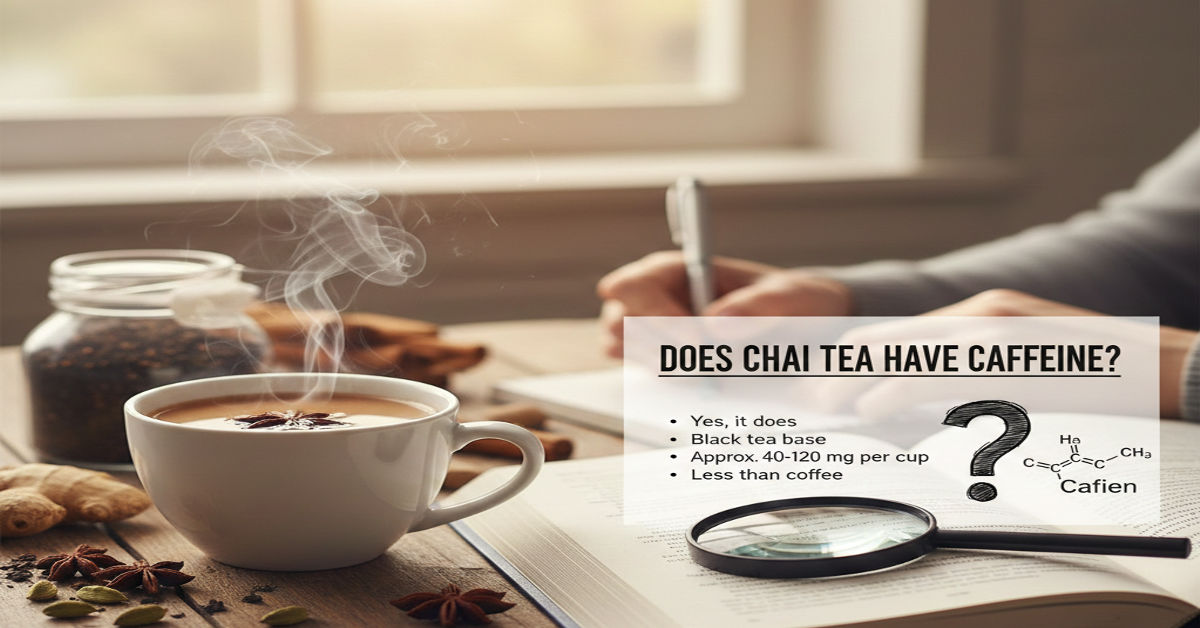
For millions around the world, chai tea is more than a beverage; it is a ritual. The fragrant aroma of cardamom, cinnamon, cloves and ginger swirling in steamed milk evokes comfort, warmth and familiarity. Yet, amidst its cultural and culinary appeal, one practical question persists: does chai tea contain caffeine?
The answer is yes — traditional chai is usually brewed with black tea, which naturally contains caffeine. Depending on the strength of the brew, tea variety and steeping method, a single 8-ounce cup can contain anywhere from 25 to 70 milligrams of caffeine. While this is modest compared with coffee, it is enough to influence alertness, mood and sleep patterns.
However, caffeine content in chai is far from uniform. Herbal and rooibos variations are often caffeine-free, and café-style lattes or concentrated mixes can alter caffeine levels substantially. Understanding what determines the caffeine content — from the tea leaf type to steeping time — allows drinkers to tailor their chai experience to their needs, whether seeking a gentle lift in the morning or a comforting, stimulant-free evening ritual.
What Is Chai and Why It Contains Caffeine
Chai, or masala chai in its Indian origins, is fundamentally a spiced tea beverage with a black tea base. Its signature blend includes cardamom, cinnamon, ginger, and cloves, often simmered with milk and sugar. Black tea, derived from the fully oxidized leaves of Camellia sinensis, is the primary source of caffeine in traditional chai.
Caffeine in black tea stimulates the central nervous system by blocking adenosine receptors, creating a sense of alertness without the sharp spikes often associated with coffee. The exact caffeine content varies according to leaf type, quantity, and steeping time: longer steeping and higher temperatures increase extraction, while lighter infusions yield milder stimulation.
Chai prepared with alternative tea bases, such as green tea or herbal blends, contains less or no caffeine, offering options for those sensitive to stimulants. Understanding these differences is key for balancing enjoyment with caffeine intake.
Caffeine Content Across Chai Varieties
Caffeine levels in chai vary based on tea type and preparation. Traditional black tea chai generally contains moderate caffeine, while green tea-based versions are lower, and herbal or rooibos chais are naturally caffeine-free. Commercial chai lattes and concentrates can further alter the content depending on dilution and brand.
Caffeine Content by Chai Type
| Chai Type | Serving Size | Approx. Caffeine (mg) | Notes |
| Traditional Black Chai | 8 oz | 30–70 | Most common, moderate caffeine. |
| Green Tea Chai | 8 oz | 20–45 | Lower caffeine due to green tea base. |
| Rooibos / Herbal Chai | 8 oz | 0 | Completely caffeine-free alternative. |
| Chai Latte (Concentrate) | 8 oz | 20–50 | Varies by brand and milk dilution. |
| Brewed Coffee | 8 oz | 95–150 | Standard comparison for reference. |
This variation demonstrates that while chai is generally milder than coffee, it still contributes meaningfully to daily caffeine intake depending on preparation.
Why Caffeine Levels Vary
Several factors influence the caffeine content of chai:
- Tea leaf selection: Younger tea leaves generally have higher caffeine.
- Processing and oxidation: Black tea’s oxidation affects both flavor and extraction.
- Steeping time and temperature: Longer, hotter infusions draw more caffeine from the leaves.
- Concentration and dilution: Chai lattes and concentrates differ from freshly brewed tea.
Even minor changes in brewing methods or spice ratios can subtly affect caffeine, highlighting the dynamic nature of chai preparation.
Expert Perspectives
“Caffeine acts as a mild stimulant that increases alertness by blocking adenosine, without the sharp peaks seen with stronger stimulants.”
— Dr. Emily Turner, Nutrition Scientist
“For most adults, up to 400 mg of caffeine per day is safe. A cup of chai at 30–70 mg fits comfortably within that range.”
— Registered Dietitian Mark Jensen
“Rooibos or herbal chai is a flavorful, caffeine-free alternative for evening consumption or those sensitive to stimulants.”
— Tea Sommelier Anjali Shah
These expert insights underline both the physiological effects of caffeine and the importance of individual tolerance in determining consumption.
Cultural Context and Global Variations
In India, chai is traditionally brewed strong and sweet, served in small clay cups at roadside stalls known as tapris. In Western coffee shops, chai lattes are often diluted with steamed milk and flavored syrups, which reduces caffeine concentration. Some contemporary adaptations, such as the “dirty chai” with espresso, can dramatically increase caffeine content. Herbal variations like rooibos chai cater to those seeking caffeine-free experiences without sacrificing the aromatic spices that define the beverage.
Chai Variants and Typical Caffeine Impact
| Variant | Typical Caffeine (mg) | Notes |
| Indian Masala Chai | 30–70 | Traditional preparation, moderate caffeine. |
| Café Chai Latte | 20–50 | Milk and syrup reduce caffeine per serving. |
| Dirty Chai (with Espresso) | 100+ | Significantly higher caffeine due to espresso addition. |
| Herbal Chai (Rooibos) | 0 | Completely caffeine-free, evening-friendly. |
This table highlights how culture, preparation style, and beverage innovation influence caffeine content in modern chai consumption.
Practical Tips for Managing Caffeine
- Choose herbal or rooibos chai for a caffeine-free option.
- Shorten steeping time to reduce caffeine extraction.
- Read labels carefully when buying chai concentrates or commercial lattes.
- Request decaf tea or milk-based blends in cafés.
- Experiment with green tea or lightly brewed black tea for lower caffeine.
Mindful brewing allows tea lovers to enjoy flavor while controlling stimulant intake.
Key Takeaways
- Traditional chai tea typically contains caffeine due to its black tea base.
- Caffeine per cup usually ranges from 25 to 70 mg, depending on brew method.
- Green tea and herbal alternatives provide lower or no caffeine.
- Brewing time, leaf type, and concentration significantly affect caffeine content.
- Individual sensitivity and daily consumption limits should guide intake decisions.
Conclusion
Chai tea balances ritual, flavor and moderate stimulation. Its caffeine content, rooted in the black tea base, offers a gentler, sustained alertness compared with coffee. Yet, the diversity of chai — from traditional Indian masala to Western lattes and herbal variations — means that caffeine levels vary widely. Knowledge of tea type, steeping technique, and preparation method empowers consumers to tailor their chai experience to health goals and personal preference. Whether enjoyed for energy, comfort, or cultural connection, chai demonstrates the nuanced interplay between tradition and physiology, providing both warmth and mindful enjoyment.
FAQs
Does chai tea always contain caffeine?
Only if made with black or green tea. Herbal and rooibos chais are naturally caffeine-free.
How much caffeine is in a chai latte?
An 8-ounce latte typically contains 20–50 mg of caffeine, depending on brand and milk ratio.
Is chai less caffeinated than coffee?
Yes; a typical chai contains roughly one-third the caffeine of a similar serving of coffee.
Can I reduce caffeine in my chai?
Yes — use decaf tea, shorten steeping, or choose herbal alternatives.
Does caffeine affect everyone the same way?
No; sensitivity varies by genetics, age, and tolerance.
References
Healthline. (n.d.). How chai tea can improve your health. Retrieved from https://www.healthline.com/nutrition/chai-tea
WebMD. (n.d.). Chai tea: Is it good for you? Retrieved from https://www.webmd.com/diet/health-benefits-chai-tea
LiveStrong. (n.d.). Busch, S. (Reviewed by J. Corleone, RDN, LD). Is there caffeine in chai tea? Retrieved from https://www.livestrong.com/article/295185-is-there-caffeine-in-chai-tea/
Taste of Tea. (n.d.). Does chai tea have caffeine? Retrieved from https://tasteoftea.com/blogs/tea-guide/does-chai-tea-have-caffeine
The Sun Trapp. (n.d.). Does chai tea have caffeine? Retrieved from https://thesuntrapp.com/does-chai-tea-have-caffeine