









In hospital rooms and nursing home corridors, time often slows to a quiet hum. Patients wait. Seniors reflect. The walls remain still, the lighting clinical, the air heavy with routines of care. In these spaces, where healing is measured in medications and checkups, something less tangible is frequently missing: color, warmth, and a reminder of ordinary human connection. ColorinDreams steps into this stillness with paper, paint, markers and intention.
ColorinDreams is a student-led nonprofit organization dedicated to bringing handmade art and crafts to hospital patients and nursing home residents to brighten their days. Built on the belief that creativity heals and inspires, the organization has grown from a small student initiative into a global network of over 4,000 volunteers across more than 55 chapters worldwide. These volunteers create cards, drawings, decorations and craft kits that are delivered to people who may be facing illness, recovery, or the quiet isolation of elder care.
What makes ColorinDreams remarkable is not only what it gives, but who gives it. The organization is powered almost entirely by students — young people choosing to translate empathy into action through art. Founded by Hailey Nguyen, a student at La Quinta High School, and supported by co-founder Thien-Thu Vu and a growing team of graphic artists, organizers and developers, ColorinDreams demonstrates how youth leadership can transform simple materials into powerful gestures of care.
The Origin of an Idea
The story of ColorinDreams begins with a simple observation: hospital and nursing home environments often lack the visual warmth that makes spaces feel human. Hailey Nguyen recognized that while medical care addresses physical health, emotional comfort often depends on small, personal touches.
From that insight grew a question: What if students could create those touches?
With the help of friends and classmates, Hailey began organizing small art drives. Students gathered supplies, designed handmade cards, and connected with local care facilities willing to accept donated crafts. The response was immediate and encouraging. What started as a local effort quickly attracted attention through social sharing and word of mouth.
Thien-Thu Vu joined as a co-founder, helping shape outreach efforts and connecting the initiative with broader conversations around health advocacy and community service. Together, they structured the organization around chapters, making it easy for schools and communities to replicate the model.
This chapter-based approach became the foundation for ColorinDreams’ rapid growth.
A Network of Young Hands
Today, ColorinDreams operates through more than 55 chapters around the world. Each chapter is typically led by students who organize volunteers, hold craft sessions, and coordinate with hospitals and nursing homes for distribution.
Volunteers design cheerful cards with encouraging messages, create small artworks, assemble craft kits for patients to use themselves, and sometimes prepare themed decorations for holidays and special occasions. The process is simple but meaningful: gather, create, package, deliver.
The organization’s online presence — including its Linktree hub, Instagram page (@thecolorindreams), and Wix website — allows new volunteers to join easily, learn guidelines for craft submissions, and start chapters in their own communities. A Philippines chapter on Facebook reflects how the idea has crossed borders and cultures.
Despite differences in language and location, the mission remains the same everywhere: spread color where it is needed most.
Why Art Matters in Care Spaces
Art in hospitals and nursing homes is not merely decorative. It serves an emotional and psychological purpose.
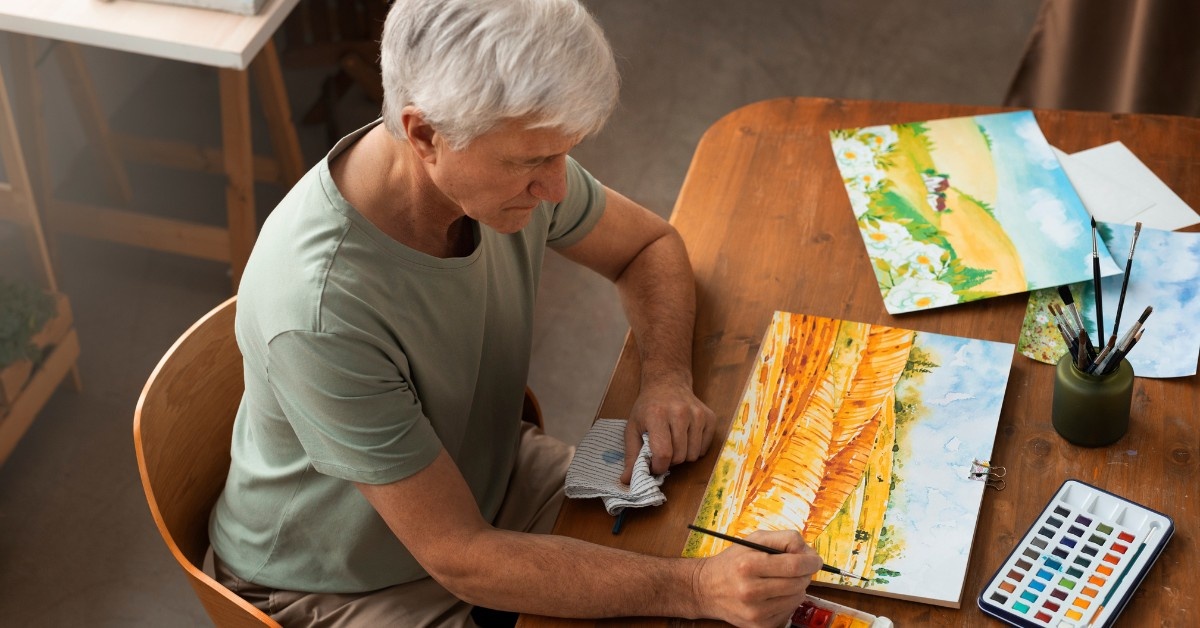
Color, imagery, and handmade objects interrupt the monotony of clinical settings. They provide conversation starters, visual stimulation, and reminders of life beyond illness or age. For a child in a pediatric ward, a bright drawing may spark imagination. For an elder resident, a painted card may evoke memories of earlier times.
The idea that color and imagery are deeply tied to human emotion is reflected in psychological discussions about visual memory and even dream imagery. Scholars have long examined how color appears in dreams and how it connects to emotional processing. While ColorinDreams is not a research initiative, its work aligns intuitively with the understanding that color, creativity, and emotional well-being are closely linked.
In environments where routines can feel repetitive and impersonal, a handmade craft stands out as something uniquely human.
The Experience of Volunteering
For many students, participating in ColorinDreams becomes a formative experience.
Creating art for strangers encourages volunteers to think about empathy in a tangible way. They imagine who might receive their work, what that person might be going through, and how a small gesture could make a difference. This process often changes how students understand service, shifting it from abstract obligation to personal connection.
Art teachers and community mentors frequently support chapters by hosting workshops and organizing supply drives. These events become spaces where creativity and compassion meet. Volunteers talk, laugh, design, and share ideas while working toward a shared purpose.
In giving color to others, many volunteers discover a sense of purpose for themselves.
Moments on the Receiving End
While much of ColorinDreams’ story focuses on volunteers, the quiet impact is felt most strongly by recipients.
Hospital staff have described how patients smile when handed a handmade card. Nursing home workers have noted how residents display colorful crafts in their rooms or common areas. These items often become treasured decorations, small reminders that someone outside the facility took time to think of them.
A child holding a card filled with stars and kind words. A senior placing a painted flower beside their bed. These are simple scenes, yet they carry emotional weight.
The crafts do not cure illness or reverse aging, but they restore something equally important: a sense of connection.
Building and Sustaining Chapters
Running a global student nonprofit requires structure and coordination. ColorinDreams uses online tools to keep chapters aligned, offering guidelines for craft quality, safety, and delivery. Clear instructions ensure that materials are appropriate for healthcare environments and respectful of recipients’ needs.
Chapters often rely on donated supplies and local partnerships. Schools, small businesses, and community members contribute paper, markers, paints, and other materials. Fundraising events sometimes help cover packaging and transportation costs.
The simplicity of the model — create, collect, deliver — allows chapters to function with minimal resources while maintaining meaningful impact.
Leadership and Teamwork
Beyond Hailey Nguyen and Thien-Thu Vu, ColorinDreams is supported by a growing team of graphic artists, developers, and student organizers who manage communications, design promotional materials, and maintain digital platforms.
This blend of creativity and organization has allowed the nonprofit to scale effectively. Students not only contribute art but also learn leadership, coordination, and teamwork skills. Running a chapter involves planning events, managing volunteers, communicating with care facilities, and ensuring timely deliveries.
In this way, ColorinDreams becomes both a service initiative and a leadership incubator.
A Global Language of Color
One of the most striking aspects of ColorinDreams is how easily its mission translates across cultures. Art requires no translation. A bright drawing, a cheerful pattern, or a kind handwritten note can be understood anywhere.
The Philippines chapter and other international efforts show that the desire to bring color into care spaces is universal. Regardless of country or community, hospitals and nursing homes share similar emotional landscapes — and students everywhere share the ability to create.
Color becomes a shared language of compassion.
The Broader Movement of Art and Healing
ColorinDreams exists within a larger conversation about art’s role in healing environments. Around the world, organizations and artists have worked to bring murals, paintings, and crafts into healthcare spaces to soften their clinical feel.
What sets ColorinDreams apart is its grassroots, student-driven nature. Rather than commissioning professional art, it mobilizes everyday creativity from young volunteers. This personal touch adds a layer of authenticity that resonates deeply with recipients.
Each craft carries not just color, but intention.
Conclusion
ColorinDreams demonstrates how small acts of creativity can ripple outward into meaningful change. Founded by students who believed that art could bring comfort, the organization has grown into a global network dedicated to spreading color where it is needed most.
In hospital rooms and nursing home halls, handmade cards and crafts quietly transform sterile spaces into places touched by human care. Volunteers learn empathy through action. Recipients feel remembered. Communities connect through shared purpose.
ColorinDreams reminds us that healing is not only about medicine. Sometimes, it begins with a sheet of paper, a handful of colors, and the willingness to create something beautiful for someone else.
FAQs
What is ColorinDreams?
A student-led nonprofit that delivers handmade art and crafts to hospital patients and nursing home residents to uplift their spirits.
Who founded the organization?
Hailey Nguyen, a student at La Quinta High School, with co-founder Thien-Thu Vu.
How many volunteers are involved?
Over 4,000 volunteers across more than 55 chapters worldwide.
How can someone participate?
By joining a chapter, starting one locally, donating supplies, or creating crafts for distribution.
Where does ColorinDreams operate?
Across multiple countries, with chapters in schools and communities worldwide.