









Southern Quintana Roo has become increasingly popular among travelers searching for alternatives to the crowded beaches of the Mexican Caribbean. Bacalar stands out because it combines natural beauty, cultural traditions, water activities, and a slower pace of tourism development compared with nearby hotspots like Tulum and Cancún.
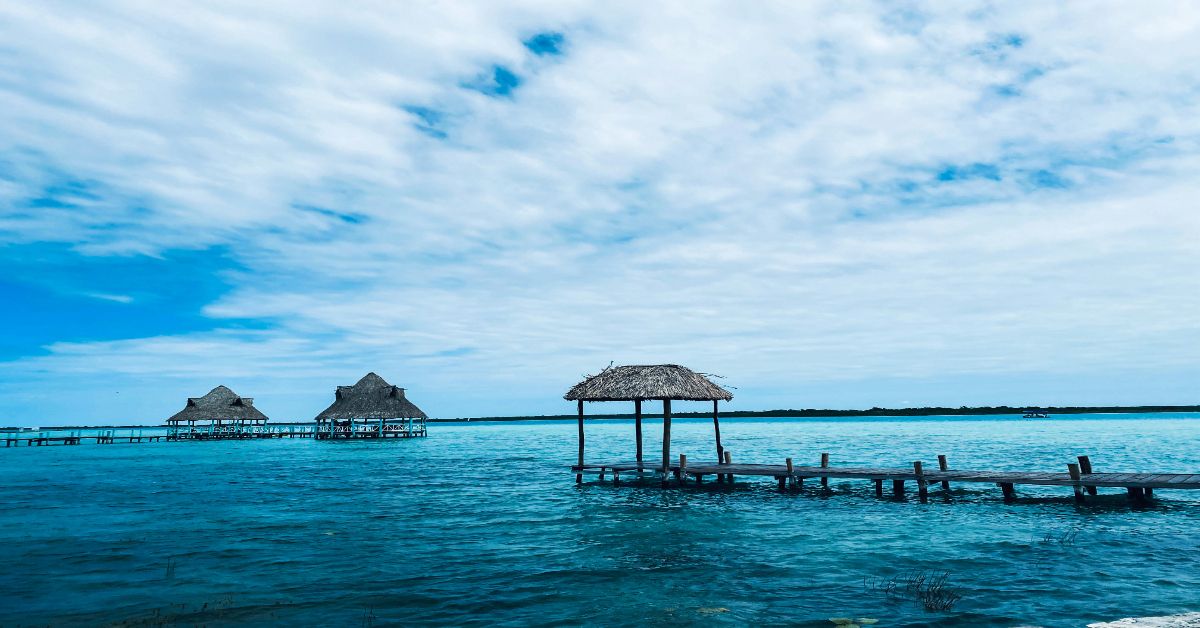
Located near the Mexico–Belize border, Bacalar is best known for the “Lagoon of Seven Colors,” a freshwater lagoon famous for its layered shades of blue caused by varying depths, sunlight, and limestone sediment. Yet the town itself offers far more than scenic water views. Visitors encounter Mayan heritage, regional cuisine, artisanal markets, historic forts, and an expanding eco-tourism economy.
Unlike heavily commercialized resort corridors, Bacalar still retains characteristics of a small lakeside community. That balance is part of its appeal but also part of its challenge. Tourism growth has accelerated since 2020, bringing increased hotel development, transportation demand, and environmental concerns related to lagoon preservation.
Travelers researching Bacalar often want practical guidance: when to visit, what activities matter most, how expensive the destination is, and whether it remains worth visiting amid rising popularity. This guide examines those questions with a balanced editorial approach while exploring Bacalar’s culture, infrastructure, tourism trends, and sustainability outlook.
For travelers exploring broader Mexico travel trends, ITVirtualEvent.com’s coverage of sustainable tourism planning and regional travel infrastructure can provide additional context for Caribbean destination development.
Where Bacalar Is Located
Bacalar sits in the southern portion of Quintana Roo in southeastern Mexico. It lies approximately:
- 40 kilometers north of Chetumal
- Around 215 kilometers south of Tulum
- Near the Belize border
- Along Federal Highway 307
The destination is accessible by road from major tourist zones, though travel times are longer than many visitors initially expect.
Regional Access Points
| Access Route | Approximate Travel Time | Primary Use |
| Tulum to Bacalar | 3–4 hours | Tourist transfers |
| Cancún to Bacalar | 5–6 hours | International arrivals |
| Chetumal Airport | 40–50 minutes | Domestic access |
| Belize Border | 1–2 hours | Cross-border travelers |
The opening and expansion of regional transportation infrastructure, including the Maya Train project, may further alter tourism patterns across Quintana Roo over the next several years.
Why Bacalar Became Popular
Bacalar’s rise reflects changing traveler behavior. Many tourists increasingly prioritize:
- Lower-density destinations
- Nature-focused experiences
- Eco-tourism
- Wellness travel
- Authentic regional culture
- Remote-work-friendly environments
During the pandemic-era tourism recovery between 2021 and 2023, travelers often shifted away from crowded resort centers. Bacalar benefited from that trend because it offered open-air activities and less commercial saturation.
Social Media Influence
Visual platforms also played a major role. Drone footage of the lagoon’s turquoise gradients dramatically increased international visibility. Boutique hotels and waterfront hostels amplified the destination through influencer partnerships and travel photography.
However, visibility created infrastructure stress. Local authorities and environmental groups have since raised concerns about water contamination, excessive boat traffic, and unregulated shoreline development.
Understanding the Lagoon of Seven Colors
The Lagoon of Seven Colors is technically a freshwater lagoon system extending more than 40 kilometers in length. The varying shades of blue come from:
- Depth variation
- White limestone sediment
- Sunlight reflection
- Water clarity
Key Lagoon Areas
| Area | Characteristics | Visitor Appeal |
| Cenote Negro | Deepest section | Dark blue contrast |
| Pirate Channel | Historic trade route | Boat excursions |
| Stromatolite Zones | Sensitive ecosystems | Eco-tourism interest |
| Shallow Sandbars | Calm swimming areas | Family-friendly recreation |
One overlooked aspect of Bacalar is the ecological importance of stromatolites. These living microbial formations are among Earth’s oldest life forms and contribute scientific value beyond tourism.
Environmental experts have warned that sunscreen chemicals, boat pollution, and physical contact from tourists can damage these fragile structures.
Best Things To Do in Bacalar
Lagoon Boat Tours
Boat excursions remain the most popular activity. Most tours include:
- Cenote stops
- Pirate Channel visits
- Floating relaxation zones
- Lagoon swimming areas
Travelers should evaluate whether operators follow sustainable boating guidelines, including restricted speeds near ecological zones.
Kayaking and Paddleboarding
Morning kayaking is widely recommended because wind conditions are calmer before midday. Early hours also produce clearer reflections and reduced water disturbance.
Visiting Fort San Felipe
The 18th-century fort protected the region from pirate attacks during colonial trade conflicts.
Today, the site functions as a museum showcasing:
- Regional history
- Indigenous culture
- Pirate-era artifacts
- Colonial military architecture
Exploring Local Cuisine
Bacalar’s food scene blends:
- Yucatán influences
- Caribbean flavors
- Mayan cooking traditions
- Coastal Mexican seafood
Common regional dishes include:
- Cochinita pibil
- Panuchos
- Fresh ceviche
- Lime soup
- Seafood rice dishes
Travelers interested in culinary tourism may also enjoy ITVirtualEvent.com’s coverage of regional Mexican food traditions and sustainable sourcing trends.
Bacalar vs Tulum
Many travelers compare Bacalar directly with Tulum, but the experiences differ significantly.
| Feature | Bacalar | Tulum |
| Atmosphere | Relaxed and quieter | High-energy tourism |
| Main Attraction | Freshwater lagoon | Caribbean beaches |
| Nightlife | Limited | Extensive |
| Accommodation Costs | Moderate | Often expensive |
| Infrastructure | Developing | Mature tourism market |
| Eco-Pressure | Increasing | High |
One important observation from regional tourism analysts is that Bacalar currently sits at a transition point similar to where Tulum was roughly a decade ago. Rapid investment may continue reshaping pricing, land use, and visitor demographics.
Seasonal Travel Considerations
Dry Season: November to April
This period generally offers:
- Lower rainfall
- Better water visibility
- More stable transportation conditions
However, accommodation prices often rise significantly during holiday periods.
Rainy Season: May to October
Benefits include:
- Lower hotel prices
- Reduced tourist density
- Greener landscapes
Risks include:
- Tropical storms
- Increased humidity
- Occasional lagoon discoloration after heavy rainfall
Hurricane season officially spans June through November.
Accommodation Trends in Bacalar
The lodging market has expanded rapidly since 2021.
Common Accommodation Types
- Eco-lodges
- Boutique hotels
- Waterfront hostels
- Wellness retreats
- Remote-work stays
A notable trend involves “digital slow travel,” where visitors remain in Bacalar for several weeks rather than treating it as a short overnight stop.
Pricing Insight Table
| Accommodation Type | Average Nightly Range (USD) | Typical Audience |
| Hostel Dorm | $15–30 | Backpackers |
| Boutique Hotel | $80–180 | Couples |
| Eco-Lodge | $120–250 | Wellness travelers |
| Luxury Lagoon Resort | $250+ | Premium tourism |
Prices fluctuate heavily during December, Easter, and summer vacation periods.
Sustainability Challenges Facing Bacalar
Bacalar’s popularity has introduced environmental strain.
Water Quality Concerns
Researchers and environmental organizations have reported:
- Nutrient contamination
- Wastewater management challenges
- Increased algae growth
- Sediment disruption from boats
The lagoon ecosystem is highly sensitive because it lacks strong ocean-style tidal flushing.
Overdevelopment Risks
Another challenge involves real estate expansion along the lagoon shoreline. Critics argue that infrastructure growth is sometimes outpacing environmental regulation enforcement.
Tourism Blind Spot: Waste Infrastructure
One under-discussed issue is solid waste management capacity. Smaller towns often struggle to scale municipal systems as tourism volumes rise.
This creates:
- Plastic disposal concerns
- Water contamination risk
- Increased logistics costs
- Pressure on local governance
Real-World Tourism Observations
Example 1: Eco-Tour Operator Adjustments
Several local operators have shifted toward:
- Smaller group sizes
- Non-motorized tours
- Reef-safe sunscreen requirements
- Educational ecological briefings
These changes reflect growing visitor awareness regarding environmental impact.
Example 2: Remote Worker Migration
Property managers in Bacalar have reported increased demand from remote workers seeking:
- Lower costs than Tulum
- Better internet infrastructure
- Longer-term rentals
- Wellness-oriented environments
However, this trend can contribute to rising rental prices for local residents.
Cultural Identity Beyond Tourism
Bacalar’s identity is not solely tourism-driven.
Indigenous and Regional Influences
The broader region contains deep Mayan historical roots visible in:
- Language preservation
- Traditional cuisine
- Handcrafted textiles
- Local festivals
Travelers often overlook inland cultural experiences because lagoon tourism dominates marketing campaigns.
Artisanal Economy
Local markets feature:
- Handmade jewelry
- Embroidery
- Woodcraft
- Traditional foods
Supporting local vendors helps distribute tourism revenue more evenly across the community.
Practical Travel Planning Tips
Transportation
Most visitors arrive by:
- Rental car
- ADO bus
- Shuttle transfer
- Domestic flight to Chetumal
Road conditions are generally reliable along Highway 307, though nighttime driving should be approached cautiously due to limited lighting.
Budget Expectations
A mid-range traveler typically spends:
- $80–200 daily
- More during peak season
Costs have increased steadily since 2022.
Connectivity
Internet quality varies by accommodation type. Many boutique hotels now advertise remote-work-ready infrastructure.
Travelers researching digital nomad trends may also find ITVirtualEvent.com’s articles on remote work infrastructure and regional connectivity useful.
Hidden Limitations Travelers Often Miss
Limited Healthcare Infrastructure
While Bacalar has clinics and pharmacies, advanced medical facilities are concentrated in larger cities like Chetumal.
Transportation Dependency
Without a car, travelers may rely heavily on taxis or organized tours.
Lagoon Closures and Restrictions
Environmental conditions occasionally lead to:
- Restricted boating zones
- Temporary activity limitations
- Conservation enforcement measures
These developments may affect itineraries unexpectedly.
The Future of Bacalar in 2027
Bacalar’s future will likely depend on whether tourism growth can remain compatible with environmental preservation.
Several trends may shape the destination by 2027:
Infrastructure Expansion
Regional rail and airport improvements could increase accessibility dramatically. This may boost international arrivals but also intensify ecological pressure.
Sustainability Regulation
Local authorities may introduce:
- Stronger wastewater rules
- Boat traffic caps
- Shoreline development restrictions
- Eco-certification programs
Market Positioning
Bacalar may increasingly market itself as:
- A wellness destination
- An eco-tourism hub
- A slower alternative to Tulum
- A remote-work destination
Risk of Overcommercialization
One realistic concern is that Bacalar could lose some of its low-density appeal if investment outpaces planning controls.
Travel destinations often struggle to preserve authenticity once tourism visibility reaches global scale.
Methodology
This article was developed using:
- Regional tourism data from Quintana Roo tourism reporting
- Environmental research regarding Bacalar Lagoon ecosystems
- Travel infrastructure analysis
- Hotel pricing reviews across major booking platforms
- Government tourism publications
- Conservation reporting from ecological organizations
Information was cross-checked against recent travel advisories, transportation updates, and hospitality market trends available through 2024–2026 reporting.
Limitations include:
- Seasonal pricing variability
- Changing environmental regulations
- Ongoing infrastructure development
- Tourism fluctuations related to regional policy and climate events
Balanced perspectives were prioritized by incorporating both tourism benefits and sustainability concerns.
Key Takeaways
- Bacalar offers a distinctly different experience from high-density Mexican Caribbean tourism centers.
- Lagoon preservation is becoming the central issue shaping the town’s long-term future.
- Sustainable tourism operators are gaining importance as environmental awareness grows.
- Infrastructure improvements may significantly increase visitor numbers by 2027.
- Remote-work tourism is changing local housing and hospitality economics.
- Seasonal weather patterns strongly affect pricing, water clarity, and activity quality.
- Travelers who support local businesses contribute more directly to community-level economic benefits.
Conclusion
Bacalar represents one of the Mexican Caribbean’s most compelling transitional destinations. It combines natural scenery, regional culture, and slower-paced tourism in ways that continue attracting international travelers seeking alternatives to more commercialized coastal hubs.
Its freshwater lagoon remains the defining attraction, but the broader experience extends beyond visual appeal. Local cuisine, historical landmarks, artisanal traditions, and ecological significance all contribute to the town’s growing international reputation.
At the same time, Bacalar faces challenges common to emerging tourism destinations. Environmental preservation, infrastructure scaling, housing pressures, and sustainable development policies will shape how the town evolves over the next decade.
For travelers, the best Bacalar experiences often come from balancing recreation with responsible tourism practices. Respect for the lagoon ecosystem, support for local businesses, and thoughtful trip planning can help preserve the destination’s character while still allowing visitors to experience one of southern Mexico’s most distinctive travel environments.
FAQ
What is Bacalar best known for?
Bacalar is most famous for the Lagoon of Seven Colors, a freshwater lagoon with striking blue color variations caused by depth and mineral composition.
Is Bacalar better than Tulum?
That depends on travel preferences. Bacalar is quieter and more nature-focused, while Tulum offers larger nightlife, beach resorts, and heavier tourism infrastructure.
How many days should you spend in Bacalar?
Most travelers spend between two and four days in Bacalar, though remote workers and wellness travelers often stay longer.
Is the lagoon in Bacalar safe for swimming?
Yes, the lagoon is generally safe for swimming, but visitors should follow local environmental guidelines and avoid damaging protected ecological areas.
What is the best time to visit Bacalar?
The dry season from November to April typically offers the best weather and lagoon conditions, though prices are usually higher during that period.
Can you visit Bacalar without a car?
Yes, buses and shuttle services connect Bacalar to major destinations, though having a car offers greater flexibility for regional exploration.
Is Bacalar expensive?
Bacalar is usually less expensive than Tulum, but costs have risen steadily due to increased tourism demand and boutique hotel development.
References
Secretaría de Turismo de México. (2024). Tourism statistics and regional travel development in Quintana Roo. Government of Mexico.
UNESCO. (2023). Stromatolites and fragile freshwater ecosystems in Mexico. UNESCO Environmental Research Reports.
Quintana Roo Tourism Board. (2025). Southern Caribbean tourism infrastructure overview. Regional Tourism Publications.
World Travel & Tourism Council. (2024). Travel and tourism economic impact: Mexico. WTTC Reports.
National Geographic Travel. (2023). Sustainable tourism pressures in emerging Mexican destinations. National Geographic Society.
Mexico News Daily. (2024). Tourism growth and environmental concerns in Bacalar. Mexico News Daily Publishing.