










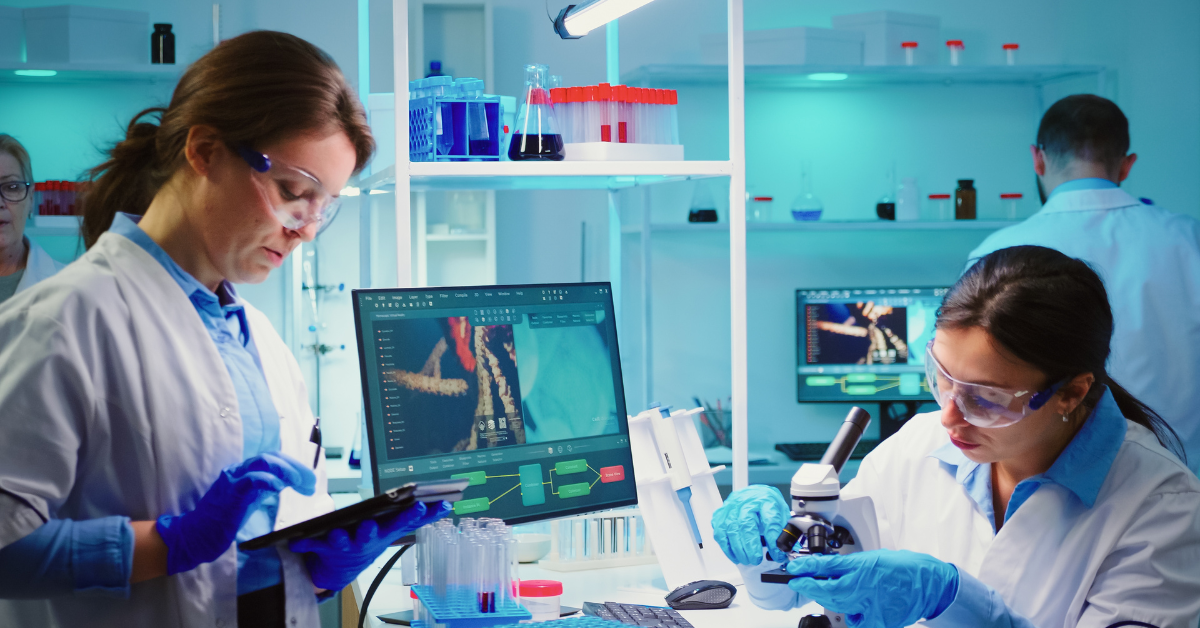
In the long, uncertain journey from laboratory discovery to approved medicine, the preclinical phase is where ambition first meets biological reality. It is the stage at which hypotheses are tested against living systems, safety signals emerge, and countless drug candidates quietly fail. For decades, the industry has relied on familiar animal models and gene-editing techniques to navigate this terrain. Yet as therapies become more sophisticated — targeting specific genetic pathways, immune responses, or personalized disease profiles — the limitations of traditional preclinical tools have grown harder to ignore. Hera BioLabs emerged to address precisely this problem. Founded in 2015 and headquartered in Kentucky, the company operates as a U.S.-based contract research organization (CRO) with a sharp focus on gene editing, custom animal model development, and integrated preclinical research services. Its mission is not to replace the existing preclinical ecosystem, but to refine it — offering models and technologies designed to be more predictive of human outcomes, more precise at the genetic level, and more adaptable to modern drug development needs.
At the center of Hera’s work are two proprietary platforms: the SRG Rat®, a highly immunodeficient rat model engineered for human xenograft studies, and Cas-CLOVER™, a gene-editing system developed to minimize off-target effects and improve experimental reliability. Around these tools, Hera has built a suite of services that span custom genetically modified rodents, cell line development, and both in vivo and in vitro testing across oncology, metabolic disease, immunology, and toxicology.
For biotechnology startups racing against limited funding and large pharmaceutical companies managing sprawling pipelines, the stakes of preclinical decision-making are immense. Hera BioLabs positions itself as a partner in that decision-making process — one that seeks to bring clarity earlier, reduce uncertainty, and ultimately improve the odds that promising therapies reach patients.
Origins and Scientific Lineage
Hera BioLabs did not arise in isolation. The company was formed from the gene-editing technologies developed at Transposagen Biopharmaceuticals, a firm known for its work on advanced DNA modification systems. This lineage shaped Hera’s identity from the beginning: it would be a service organization, but one grounded in proprietary science rather than off-the-shelf tools.
The decision to launch Hera as a CRO reflected a growing realization within the life sciences industry. As gene editing matured from a research novelty into an industrial necessity, many organizations lacked the in-house expertise or infrastructure to deploy these technologies reliably at scale. Outsourcing was common, but differentiation was rare. Hera sought to occupy a narrow but increasingly important niche — providing custom, high-precision biological models that could be tightly aligned with a client’s scientific question.
Kentucky, an unconventional location by coastal biotech standards, offered both challenges and advantages. While far from the dense networks of Boston or San Diego, the region provided access to skilled scientific talent, supportive economic development initiatives, and the freedom to build specialized facilities without the cost pressures of traditional biotech hubs. Over time, Hera invested in laboratory expansion and an AAALAC-accredited vivarium, signaling its commitment to both scientific rigor and ethical animal care.
From the outset, the company framed its work around acceleration. Not speed for its own sake, but the reduction of unnecessary iteration — the costly cycle of testing, failure, and redesign that often characterizes early drug development. By delivering models that more closely mirror human biology, Hera argued, researchers could make better decisions sooner.
The Role of Custom Animal Models in Modern Drug Development
Animal models remain a cornerstone of preclinical research, despite growing interest in alternatives such as organoids, microphysiological systems, and computational simulations. The reason is simple: living organisms capture biological complexity that no in vitro system can yet fully replicate. However, not all animal models are equally informative.
Traditional mouse models, while invaluable, often differ significantly from humans in immune function, metabolism, and disease progression. These differences can obscure drug effects or produce misleading signals. Hera BioLabs’ approach centers on tailoring animal models to the specific biological mechanisms under investigation, rather than relying on one-size-fits-all systems.
Custom genetically modified rats and mice form a core part of this strategy. By selectively knocking out, inserting, or modifying genes, Hera can create models that replicate human disease pathways with greater fidelity. These models are used across multiple therapeutic areas, including oncology, metabolic disorders, and toxicology studies, where subtle genetic differences can dramatically influence outcomes.
Rats, in particular, offer advantages that have historically been underutilized. Their larger size enables more complex surgical procedures, repeated blood sampling, and detailed pharmacokinetic studies. When combined with precise genetic engineering, rats can serve as powerful translational tools — bridging the gap between cellular studies and human trials.
The SRG Rat®: A Platform for Human Xenograft Research
The SRG Rat® stands as Hera BioLabs’ most distinctive contribution to preclinical science. Engineered to be highly immunodeficient, the model lacks functional B cells, T cells, and natural killer cells. This profound immune suppression allows human cells and tissues to engraft, grow, and function within the rat host.
For oncology research, this capability is transformative. Human tumor xenografts, including patient-derived xenografts (PDXs), can be studied in an in vivo environment that preserves many aspects of the original tumor’s biology. Researchers can observe tumor growth, metastasis, and drug response in a system that more closely resembles the human disease state.
Compared to immunodeficient mice, the SRG Rat® offers practical and scientific benefits. Its larger body size supports longitudinal studies, repeated biopsies, and advanced imaging techniques. These features enable richer datasets and reduce the number of animals required per study — aligning scientific goals with ethical considerations.
The SRG Rat® is not merely a product but a platform. Hera integrates it into broader study designs, combining xenograft work with pharmacology, toxicology, and biomarker analysis. Through a global licensing arrangement, the model has also been made available to the wider research community, extending its impact beyond Hera’s own laboratories.
Cas-CLOVER™ and the Pursuit of Precision
Gene editing underpins much of Hera BioLabs’ work, and the Cas-CLOVER™ system reflects a deliberate design philosophy: precision over simplicity. While CRISPR/Cas9 has become ubiquitous due to its ease of use, concerns about off-target effects persist, particularly in applications where unintended mutations could confound results or compromise safety.
Cas-CLOVER™ addresses this challenge through a dual-guide, dimeric nuclease mechanism. In practical terms, the system requires two independent DNA recognition events before a cut is made. This requirement significantly reduces the likelihood of accidental edits elsewhere in the genome.
For researchers creating animal models or production cell lines, this precision matters. A single off-target mutation can alter phenotype, skew data, or introduce variability that only becomes apparent late in development. By minimizing these risks at the outset, Cas-CLOVER™ supports the creation of cleaner, more reliable biological systems.
Hera deploys Cas-CLOVER™ across multiple applications, from knocking out disease-relevant genes in rodents to engineering industrial cell lines for biologics manufacturing. In each case, the goal is the same: produce models that behave predictably, allowing experimental results to be interpreted with confidence.
Cell Line Development and Bioprocessing Support
Beyond animal models, Hera BioLabs plays a role in one of the less visible but equally critical aspects of drug development: cell line engineering. For biologic therapies — such as monoclonal antibodies and recombinant proteins — the choice of production cell line can influence yield, stability, and regulatory success.
Hera’s cell line development services leverage gene-editing platforms like Cas-CLOVER™ alongside transposon-based systems such as piggyBac®. These tools enable the stable integration of large genetic constructs, supporting the expression of complex therapeutic proteins.
Particular emphasis is placed on CHO (Chinese hamster ovary) cells, the industry standard for biologics production. By engineering CHO lines with specific genetic configurations, Hera helps clients optimize protein expression and streamline downstream manufacturing processes.
This work positions Hera not only as a preclinical research partner but as a contributor to the broader bioprocessing ecosystem — linking early discovery decisions to later-stage production realities.
Integrated In Vivo and In Vitro Services
One of Hera BioLabs’ defining characteristics is its integrated service model. Rather than offering isolated capabilities, the company combines model creation, in vitro testing, and in vivo studies within a single organizational framework.
In vitro assays allow researchers to explore molecular mechanisms, screen compounds, and refine hypotheses before moving into animal studies. In vivo experiments then test these hypotheses within the complexity of a living organism, generating data on efficacy, pharmacokinetics, and safety.
By coordinating these stages internally, Hera aims to reduce handoffs, miscommunication, and experimental drift. Study designs can evolve dynamically as data emerges, and insights gained at one stage can immediately inform the next. For clients navigating tight timelines and limited resources, this cohesion can be as valuable as the underlying technologies.
Quality, Accreditation, and Ethical Responsibility
Preclinical research operates under intense regulatory and ethical scrutiny, particularly when it involves animal models. Hera BioLabs’ facilities are AAALAC-accredited, reflecting adherence to internationally recognized standards for animal care and use.
This accreditation is more than a checkbox. It signals a commitment to the principles of humane research, including appropriate housing, veterinary oversight, and experimental design that minimizes unnecessary animal use. Hera’s emphasis on more predictive models aligns with these principles: better data can mean fewer studies, fewer animals, and fewer late-stage failures.
Ethical responsibility also extends to scientific transparency and reproducibility. As concerns about irreproducible research have grown, the value of well-characterized, precisely engineered models has become increasingly apparent. Hera’s focus on genetic accuracy and validation speaks directly to this challenge.
Positioning in a Changing Preclinical Landscape
The preclinical research landscape is evolving rapidly. Advances in human-based models, artificial intelligence, and regulatory science are reshaping expectations about how early-stage data should be generated and evaluated. Hera BioLabs operates within this shifting context, positioning its services as complementary rather than competitive to emerging alternatives.
Animal models are unlikely to disappear in the near term, but their role is changing. Rather than serving as blunt instruments for broad screening, they are increasingly deployed as targeted tools for specific questions. Hera’s custom models fit naturally into this paradigm, offering tailored systems designed for defined hypotheses.
At the same time, partnerships and transparency initiatives suggest an awareness that collaboration — not isolation — will define the future of preclinical science. By integrating its platforms with external technologies and sharing insights across the research ecosystem, Hera participates in a broader effort to make drug development more rational and data-driven.
Conclusion
Hera BioLabs represents a particular vision of preclinical research — one grounded in precision, customization, and integration. Through proprietary platforms like the SRG Rat® and Cas-CLOVER™, the company seeks to address long-standing challenges in translational science: unpredictability, inefficiency, and late-stage failure.
Its work underscores a simple but powerful idea: better models lead to better decisions. By refining the tools used to study disease and test therapies, Hera contributes to a drug development process that is not only faster, but more thoughtful. As the life sciences industry continues to grapple with complexity, organizations that combine technical innovation with practical service models are likely to play an increasingly central role.
In that sense, Hera BioLabs is less about any single technology than about an approach — one that recognizes preclinical research as both a scientific endeavor and a strategic one, where precision at the beginning can shape outcomes far down the line.
Frequently Asked Questions
What does Hera BioLabs specialize in?
Hera BioLabs specializes in preclinical research services, including gene editing, custom animal model development, cell line engineering, and integrated in vivo and in vitro studies.
What makes the SRG Rat® unique?
The SRG Rat® is highly immunodeficient, allowing efficient engraftment of human tissues and tumors for xenograft and oncology research.
How is Cas-CLOVER™ different from other gene-editing tools?
Cas-CLOVER™ uses a dual-guide system that reduces off-target effects, enabling more precise and reliable genetic modifications.
Which therapeutic areas does Hera support?
Hera supports oncology, metabolic disease, immunology, toxicology, and biologics development through custom models and testing services.
Is Hera BioLabs a product company or a service company?
Hera BioLabs primarily operates as a CRO, providing specialized research services rather than selling standalone laboratory products.