








In the industrial heart of Coimbatore, Tamil Nadu, Indus Electronics India (P) Ltd. has quietly shaped the efficiency of manufacturing operations across India for more than four decades. Established in 1982, the privately held company specializes in designing and producing industrial electronics for sectors such as textiles and engineering. Its products range from production monitoring systems for textile machinery to energy management solutions, helping factories optimize operations, reduce energy costs, and improve productivity.
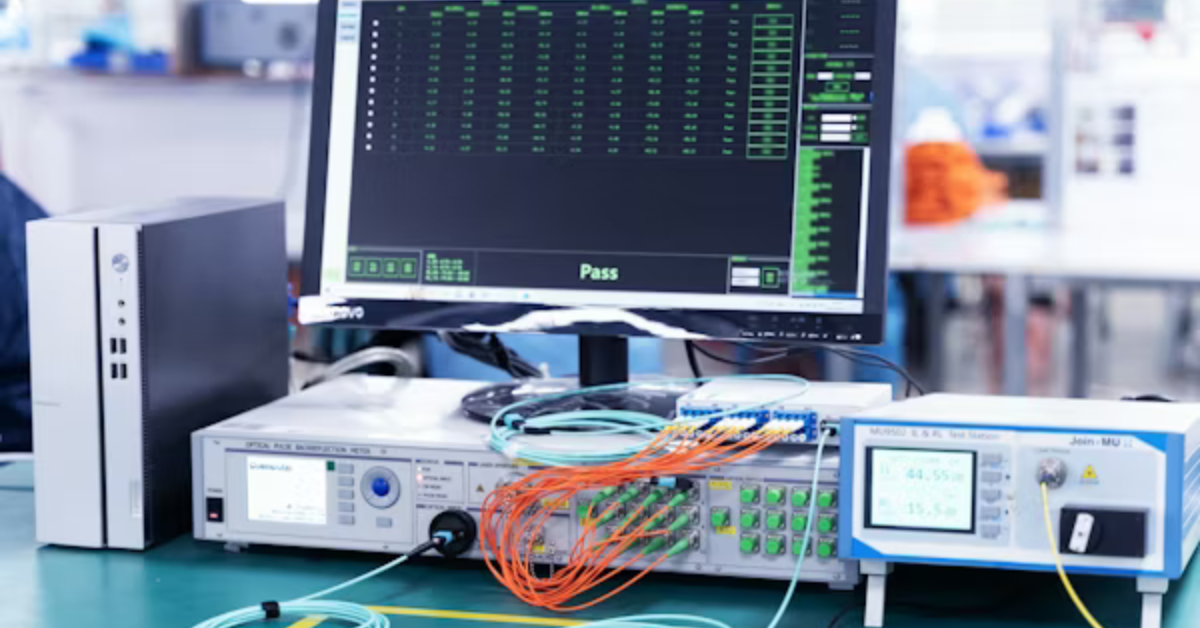
From the first stages of fiber processing to the final winding of yarn, Indus Electronics’ production monitoring systems allow manufacturers to track machine performance, detect inefficiencies, and generate actionable reports. Similarly, its energy management solutions, including the renowned H6A Maximum Demand Controller, help plants manage electricity consumption, avoid penalties from exceeding contracted power, and make informed operational decisions.
The company’s sustained success stems from its combination of practical engineering, in-house R&D, and close understanding of industrial workflows. By blending reliable hardware, embedded systems expertise, and software analytics, Indus Electronics has positioned itself as a trusted partner for mills, thermal plants, wind farms, and engineering workshops seeking tangible efficiency gains. This article explores the company’s history, product innovations, market impact, and role in shaping India’s industrial electronics landscape.
Origins and Growth
Indus Electronics India was founded in 1982 in Coimbatore, a city recognized as a hub for textile and engineering industries. The company’s founders, engineers with experience in industrial instrumentation and control systems, identified a niche: specialized electronics solutions that could withstand the challenging environments of manufacturing plants.
Initially, the company focused on simple production counters and monitoring tools. Over the years, these evolved into more sophisticated systems integrating microprocessor-based controllers, PLC automation, and data acquisition modules. By keeping design and development in-house, Indus Electronics could customize solutions to meet specific client requirements, a key differentiator from competitors relying on generic products.
The company’s early adoption of robust and adaptable designs allowed it to serve a range of industries. Textile mills, in particular, benefited from systems that provided real-time machine monitoring, enabling operators to fine-tune production and minimize waste. Meanwhile, energy-intensive industries gained tools to monitor electricity usage, manage peak demand, and improve overall energy efficiency.
Production Monitoring Systems
Production monitoring is at the core of Indus Electronics’ offerings. Textile manufacturers, from spinning mills to finishing operations, require accurate data on machine speed, downtime, production counts, and quality metrics. Indus Electronics’ systems collect this information across machines from different original equipment manufacturers, standardizing it and presenting it in user-friendly dashboards.
These monitoring solutions allow managers to identify bottlenecks, allocate labor efficiently, and improve overall throughput. By integrating analytics and reporting, Indus Electronics helps factories make data-driven decisions that directly enhance productivity and profitability. The company’s focus on reliability ensures that systems function consistently in dusty, high-vibration, and high-temperature environments typical of textile plants.
Energy Management Solutions
Energy costs are among the largest operational expenses in industrial settings. Indus Electronics addresses this challenge through a suite of energy management products, including power analyzers, multifunction meters, and maximum demand controllers.
The H6A Maximum Demand Controller exemplifies the company’s approach: it monitors peak electricity usage, triggers alerts when consumption exceeds thresholds, and allows operators to take corrective actions. By preventing demand violations and optimizing energy consumption, these tools help plants reduce costs while supporting sustainability initiatives.
More recent solutions integrate cloud-based analytics, enabling historical trend analysis and remote monitoring. These networked systems allow managers to track energy usage across multiple facilities and make strategic decisions for both operational efficiency and long-term cost savings.
Research and Development
Indus Electronics maintains a dedicated in-house R&D team, focusing on embedded systems, PLC automation, and custom industrial electronics. This vertical integration allows the company to rapidly prototype and deploy solutions tailored to client needs.
By developing proprietary hardware and software, the company ensures compatibility across diverse industrial equipment and maintains control over product quality. R&D efforts also extend to user-friendly interfaces, remote monitoring, and integration with emerging industrial technologies, such as IoT and networked energy management platforms.
Market Presence and Industry Impact
While primarily serving the Indian market, Indus Electronics has demonstrated a capacity to adapt to global industrial trends. Its products are used extensively in textile spinning mills, thermal plants, wind energy projects, and various engineering workshops. The company participates in industry events, exhibitions, and trade fairs, showcasing innovations and strengthening its reputation among industrial stakeholders.
Despite competition from larger multinational automation companies, Indus Electronics continues to thrive through its focus on specialized solutions, robust customer support, and practical engineering. Its workforce, comprising skilled engineers and technicians, ensures that installations, calibrations, and maintenance meet the operational demands of 24/7 manufacturing environments.
Challenges and Adaptation
Like many midsize industrial technology companies, Indus Electronics faces challenges such as competition from larger firms, rapid technological changes, and talent acquisition. Integrating software-driven predictive maintenance and cloud-based analytics requires adaptation from a traditionally hardware-focused organization.
However, the company’s strategy emphasizes incremental innovation and customer-centered solutions. By combining field-tested reliability with selective adoption of new technologies, Indus Electronics ensures that its offerings remain relevant to industrial clients while preserving the robustness its reputation is built on.
Commitment to Sustainability
Energy efficiency and sustainability are increasingly important in industrial operations. Indus Electronics supports these goals through products that monitor and optimize power consumption. Cloud-based analytics allow operators to track energy usage patterns and implement measures that reduce environmental impact.
Such initiatives not only help clients save costs but also align with global efforts to reduce industrial carbon footprints. By providing actionable insights into energy consumption, Indus Electronics empowers manufacturers to adopt greener practices without compromising productivity.
Conclusion
Indus Electronics India (P) Ltd. exemplifies the power of focused innovation and technical expertise in shaping industrial efficiency. For over 40 years, the company has provided specialized electronics solutions that enhance production monitoring, optimize energy use, and enable data-driven decision-making across textile, engineering, and energy sectors.
By combining in-house R&D, practical engineering, and a customer-focused approach, Indus Electronics has sustained its relevance in a rapidly evolving industrial landscape. Its story illustrates how midsize companies, rooted in technical expertise and operational insight, can remain indispensable partners to manufacturers seeking to improve efficiency, reduce costs, and embrace sustainable practices.
FAQs
What industries use Indus Electronics products?
Textile mills, thermal plants, wind farms, and engineering workshops rely on its monitoring and energy management systems.
What is the H6A Maximum Demand Controller?
It is a device that monitors and limits peak electricity usage to prevent demand penalties in industrial facilities.
Where is Indus Electronics headquartered?
Coimbatore, Tamil Nadu, India – Plot No. 3, Electronics Industrial Estate, Civil Aerodrome Post, 641014.
Does the company offer custom solutions?
Yes, Indus Electronics develops bespoke embedded systems, PLC automation, and industry-specific electronics.
How does the company support sustainability?
Through energy monitoring and cloud-based analytics, it helps clients optimize power use and reduce industrial carbon footprints.