







In the fast-evolving field of biotechnology, innovation often comes in small, precise packages. Quarry Thera, a New Haven-based startup founded in 2024, exemplifies this approach by focusing on molecular glues—small molecules designed to bring proteins into proximity, enabling therapeutic effects that were previously impossible. Co-founded by Mikael Dolsten, former Pfizer chief scientific officer, and Yale chemical biologist Craig Crews, the company aims to overcome key limitations of traditional drug discovery, such as poor permeability and limited efficacy, while tackling proteins long considered “undruggable.”
Unlike conventional drugs that block a protein’s activity at a binding site, molecular glues act as facilitators, inducing interactions between proteins and harnessing the cell’s own machinery to degrade or stabilize targets. This subtle but powerful mechanism has generated increasing interest from researchers and investors alike, positioning induced-proximity therapeutics at the forefront of next-generation medicine. Quarry Thera’s platform combines DNA-encoded libraries, structure-based design, and advanced medicinal chemistry to create compounds capable of engaging challenging proteins with high precision.
The company’s vision has attracted significant backing. In late 2025, Quarry Thera raised $32 million in a Series A funding round from F-Prime Capital, Canaan Partners, Yosemite, and Lilly Ventures. With this financial support and leadership rooted in both scientific discovery and industry expertise, Quarry Thera is poised to expand the boundaries of what molecular therapeutics can achieve, opening new avenues for the treatment of cancer, neurological disorders, and other complex diseases.
The Science of Molecular Glues
Molecular glues operate on a simple yet profound principle: by bringing two proteins together, they can reprogram cellular behavior in ways that traditional inhibitors cannot. Some glues promote the degradation of harmful proteins by recruiting them to the cell’s ubiquitin-proteasome system. Others stabilize beneficial protein interactions to enhance therapeutic signaling. This approach addresses a critical gap in drug discovery, enabling researchers to target proteins that lack classical binding pockets.
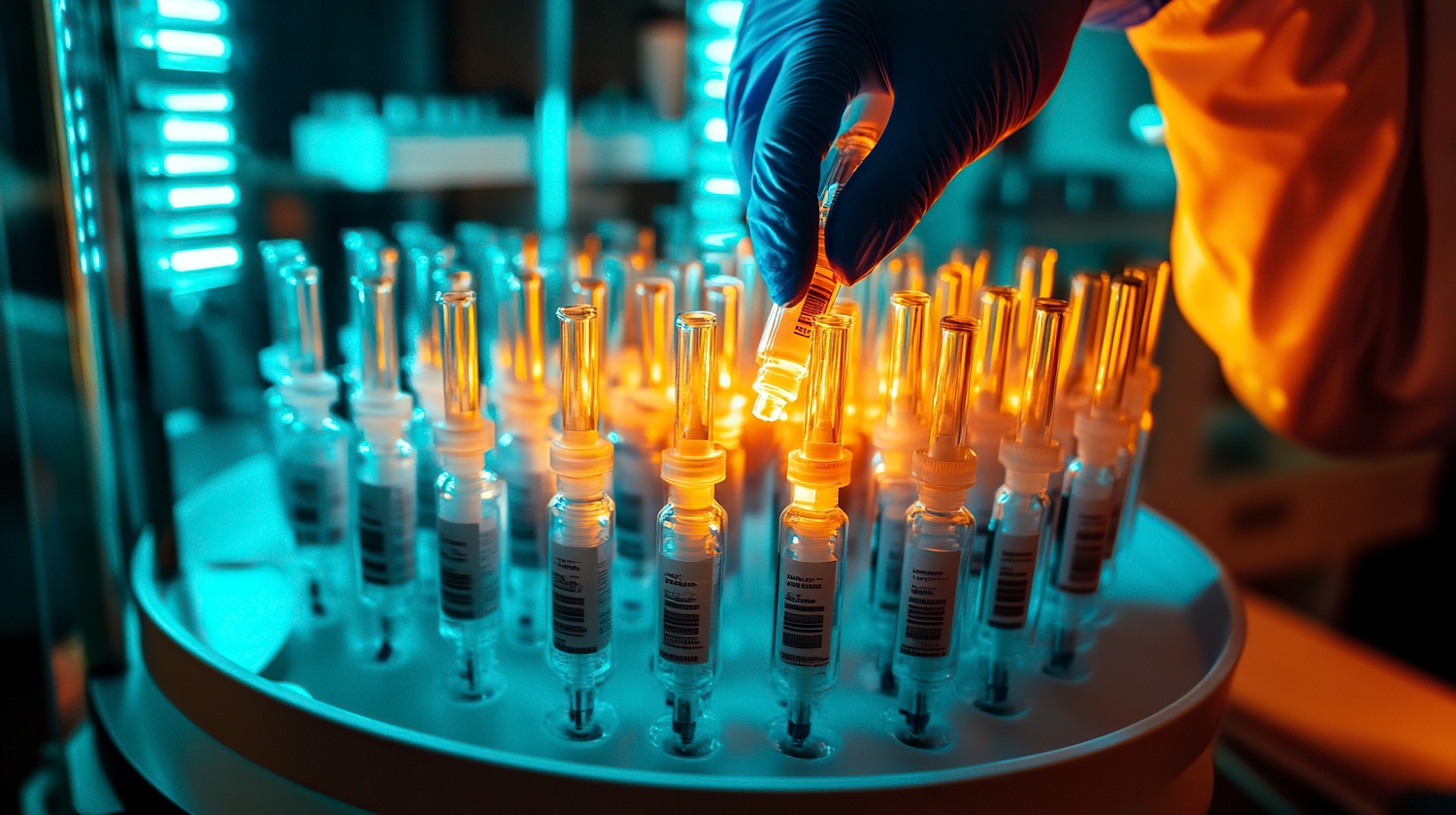
The development of molecular glues requires a nuanced understanding of protein structure and cellular pathways. Quarry Thera employs DNA-encoded libraries, which consist of vast collections of small molecules each linked to a unique DNA barcode. This allows researchers to rapidly identify compounds capable of binding to challenging protein targets. Coupled with structure-based design and advanced medicinal chemistry, these technologies allow the company to rationally engineer molecules that not only perform the desired proximity function but also exhibit favorable pharmacological properties, such as membrane permeability and selectivity.
Quarry Thera’s Platform and Approach
Quarry Thera’s strategy rests on three complementary pillars:
DNA-Encoded Libraries (DELs): DELs enable high-throughput screening of millions of small molecules, facilitating the identification of rare compounds capable of bridging two proteins effectively. This approach accelerates the discovery process and increases the likelihood of finding viable drug candidates.
Structure-Based Design: By leveraging high-resolution protein structures, Quarry’s team can design molecules that precisely fit the interface between proteins. This rational approach improves efficiency and allows the engineering of compounds with predictable binding behavior.
Advanced Medicinal Chemistry: Optimizing molecular glues for clinical use requires careful tuning of properties like solubility, permeability, and metabolic stability. Quarry Thera’s chemists focus on refining these characteristics to ensure that promising compounds are therapeutically viable.
Together, these methods form a platform capable of addressing previously “undruggable” targets, translating complex biological insights into tangible therapeutic candidates.
Leadership and Expertise
The leadership team at Quarry Thera reflects a rare combination of academic insight and industry experience. Mikael Dolsten brings decades of pharmaceutical leadership, having overseen research and development at Pfizer, including the launch of novel therapeutics across multiple therapeutic areas. Craig Crews, a Yale professor and molecular glue pioneer, provides deep scientific expertise in targeted protein degradation, having played a key role in elucidating the mechanisms by which small molecules can induce protein proximity.
Their partnership allows Quarry Thera to bridge the gap between cutting-edge science and the practical requirements of developing safe, effective medicines. Dolsten’s experience navigating regulatory and commercialization landscapes complements Crews’ innovative research, positioning the company to advance its pipeline efficiently.
Funding and Industry Context
Quarry Thera’s $32 million Series A financing reflects both confidence in its platform and the growing interest in molecular glue therapeutics. Investors such as F-Prime Capital, Canaan Partners, Yosemite, and Lilly Ventures recognize the potential of proximity-induced therapies to address unmet medical needs. The participation of a strategic investor like Lilly Ventures also highlights the industry’s interest in early access to innovative drug discovery platforms.
The biotech sector is increasingly competitive, with multiple companies exploring molecular glues and targeted protein degradation. Quarry Thera’s combination of proprietary technology, experienced leadership, and a focused scientific approach distinguishes it within this crowded landscape, providing a foundation for long-term growth and innovation.
Challenges and Opportunities
Despite its promise, molecular glue therapeutics face significant challenges. Designing compounds that reliably induce the desired protein-protein interactions requires precision and often involves iterative testing and optimization. Translating preclinical successes into safe and effective human therapies remains a central hurdle. Furthermore, as more companies enter the molecular glue space, differentiation through novel targets, unique chemistry, and strategic partnerships will be critical.
Nonetheless, the potential rewards are substantial. By enabling interventions against previously inaccessible proteins, molecular glues could transform treatment paradigms for cancers, autoimmune diseases, and neurological disorders. Quarry Thera’s approach, which integrates advanced screening, rational design, and medicinal chemistry, positions it to capitalize on this emerging opportunity.
Implications for Patients
For patients, induced-proximity therapeutics offer hope where traditional approaches have failed. Diseases driven by proteins without classical drug-binding sites—historically deemed “undruggable”—may soon become treatable. Molecular glues also hold promise for lower dosing and enhanced specificity, potentially reducing side effects and improving outcomes.
However, accessibility and cost remain considerations. Innovative therapies often carry premium pricing, raising questions about equitable access. Balancing groundbreaking science with affordability will be an ongoing concern for both the industry and healthcare systems.
Conclusion
Quarry Thera stands at the forefront of a transformative era in biotechnology. By leveraging molecular glue technology and a sophisticated discovery platform, the company is poised to redefine what is therapeutically possible. With the combined expertise of Mikael Dolsten and Craig Crews and strong venture backing, Quarry Thera embodies the intersection of academic innovation and strategic execution. The path forward will be challenging, but its potential to expand the boundaries of medicine—and to address previously untreatable diseases—marks it as one of the most promising startups in the molecular glue field today.
FAQs
What are molecular glue therapeutics?
Molecular glues are small molecules that bring two proteins together, triggering functional changes such as protein degradation or stabilization.
How does Quarry Thera differ from traditional biotech companies?
Quarry Thera focuses specifically on proximity-induced therapeutics using DNA-encoded libraries, structure-based design, and medicinal chemistry.
Who founded Quarry Thera?
Mikael Dolsten, former Pfizer CSO, and Craig Crews, Yale professor and pioneer in molecular glues, co-founded the company.
What funding has Quarry Thera raised?
In 2025, the company raised $32 million in a Series A round from F-Prime Capital, Canaan Partners, Yosemite, and Lilly Ventures.
Why are molecular glues considered transformative?
They target proteins lacking classical binding sites, expanding therapeutic options for complex diseases including cancer and neurological disorders.